




MarineLearn, home

Specialist professional training for the maritime economy

Maritime Law and Shipping Contracts

Interpret and apply maritime legal rules, contracts, claims and dispute-resolution mechanisms.

  • Sector-specific learning grounded in maritime operations and commercial realities.
  • Practical, competency-oriented delivery for adult and professional learners.
  • Kenyan and African market relevance, combined with international maritime instruments and industry practice.

A conversation about training

Tell us what your people need to be able to do.

What would be most useful?
How many people?

Four questions. No newsletter, and we do not pass your details on.

Company profile
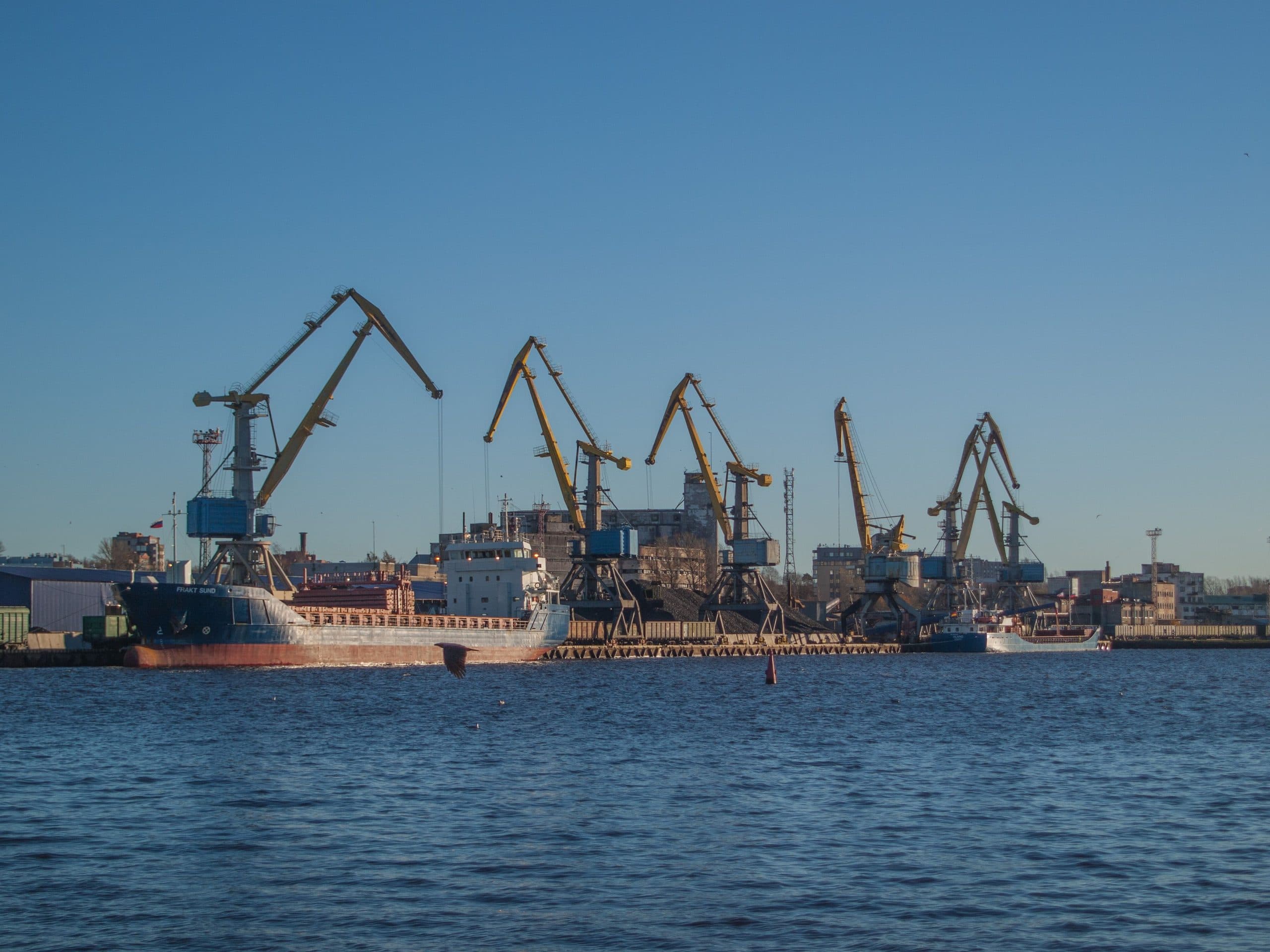
Cranes and cargo vessels along a working port waterfront under a clear sky.
Photo: Paul / Pexels

Flagship programme

Cyber Security for Ports and Port Systems

Port cyber risk as an operational problem rather than an IT one: assessing exposure across the terminal, designing controls that survive contact with operations, and rehearsing the response.

5 days · 10 modules · Face-to-face · Digital resilience

01 / The portfolio

One specialisation, not a catalogue of short courses.

Five programmes across five training pillars, at the intersection of law, commercial practice, finance, sustainability, operational resilience and technology risk.

  • Maritime law

    Maritime Law and Shipping Contracts

    The legal framework a shipping transaction actually runs on: the contracts that carry it, the claims that arise from it, and the mechanisms that resolve them.

    Duration
    12 weeks
    Modules
    6
    Delivery
    Synchronous virtual, Blended
  • Commercial shipping

    Laytime and Demurrage

    Charterparty time as money. How laytime is counted, where demurrage exposure is created, and how a claim is built, checked and defended.

    Duration
    Scheduled per client
    Modules
    6
    Delivery
    Face-to-face, Synchronous virtual, Blended
  • Sustainability

    ESG in Shipping

    Environmental, social and governance requirements where they meet operational and commercial decisions, and the reporting that has to stand behind them.

    Duration
    16 weeks
    Modules
    8
    Delivery
    Synchronous virtual, Blended
  • Finance and risk

    Ship Finance, Maritime Credit and Risk Management

    How a bank finds, appraises, structures, secures and monitors a vessel facility, and what it does when one starts to go wrong.

    Duration
    2 days
    Modules
    8
    Delivery
    Face-to-face, Synchronous virtual
  • Digital resilience

    Cyber Security for Ports and Port SystemsFlagship

    Port cyber risk as an operational problem rather than an IT one: assessing exposure across the terminal, designing controls that survive contact with operations, and rehearsing the response.

    Duration
    5 days
    Modules
    10
    Delivery
    Face-to-face

02 / Who we work with

Three audiences that need each other.

Our registered training provision serves professionals, managers and technical personnel, and the institutions that employ them. Alongside it, and outside that scope, we prepare young people entering the sector and teach the maritime and ocean ecosystem to the public.

  • 01

    Professional and institutional training

    Registered training provision

    For the people already inside maritime, and the institutions that regulate and enable it. This is our registered training provision: the programmes, the assessment, the certification and the quality system.

  • 02

    Career readiness and entry pathways

    Outside the registered provision

    For people aged 18 to 40 who could build a career in maritime and mostly do not know it is there. Preparation for the sector, not certificated training in it.

  • 03

    Awareness and ecosystem education

    Outside the registered provision

    For the public, the policy community and the coastal communities who live with the maritime economy but were never taught it.

03 / How we work

What a MarineLearn programme does differently.

  • Contextualised, never generic

    Programmes are customised to the institution before delivery, using its own systems, processes and risk picture.

  • Standards-aligned

    Content maps to IMO instruments, the ISPS Code and the regulatory arrangements our clients already operate under.

  • Output-led

    Participants build real institutional artefacts during the programme, not case studies about somebody else.

  • Assessed

    Baseline, formative and final assessment measure the change in knowledge and capability, and participation in exercises is assessed too.

  • Evidence-based

    We do not make claims we cannot source. Every figure in our materials carries an origin.

  • Accessible

    Pricing, format and scheduling are built for African institutional budgets and calendars.

Tell us what your people need to be able to do.

Open enrolment, in-company delivery, an executive briefing or a workshop. If a programme has to be shaped around a training-needs assessment first, say so and we will start there.

A conversation about training

Tell us what your people need to be able to do.

What would be most useful?
How many people?

Four questions. No newsletter, and we do not pass your details on.